A Tour of tsnet
Pick a lesson. It opens in your browser: your code compiles and runs in this tab, so there is nothing to wait for and nothing to stop afterwards. Your edits stay saved in this browser. You will need your own Tailscale auth keys, as the lessons explain.

Share it, don't expose it
Sharing a service shouldn't mean opening it to the internet. Make your Go program a private, secure node on your own network.
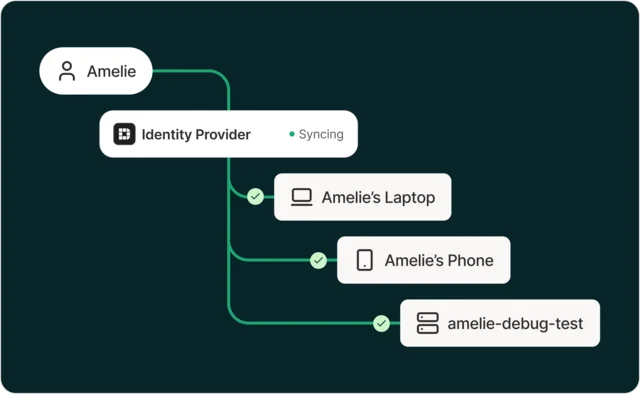
Know who's calling
Your app needs to know who is calling, but you don't want to build a login system. Ask the tailnet who is on the other end.
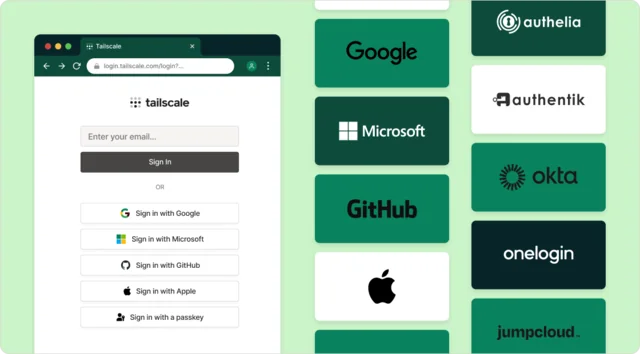
One program, two identities
One program often plays several roles and this can be difficult to manage, but not on your tailnet!
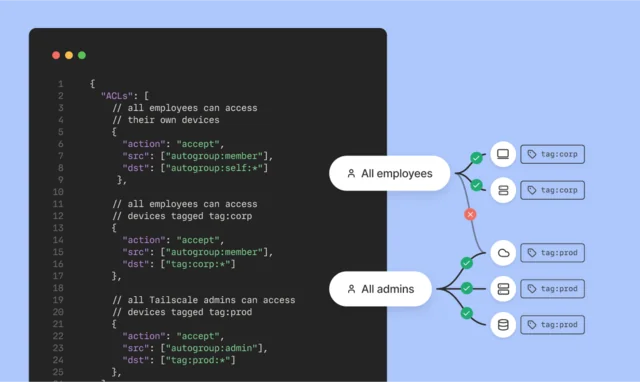
Decide who talks to whom
Not every device should reach every other one. Control who can connect to what with tags and grants.
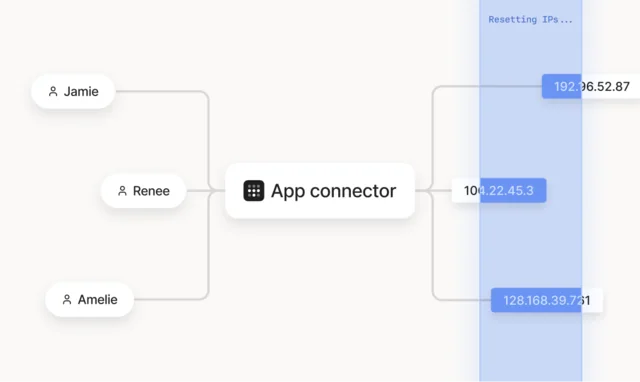
Access rules outside your code
Who may see or do what shouldn't be hardcoded. Move those rules out of your code into the network policy.

Put your app on the internet
Your app works on your tailnet, but you want to show it to someone outside it. Add HTTPS, then go public with Funnel.
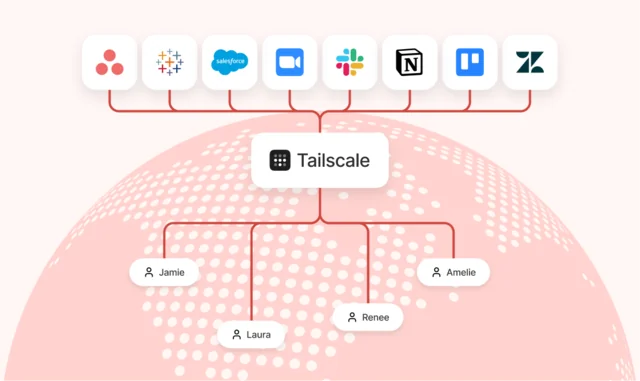
Public guests, private everything else
Visitors from the internet get a guest game, while everything else stays private.
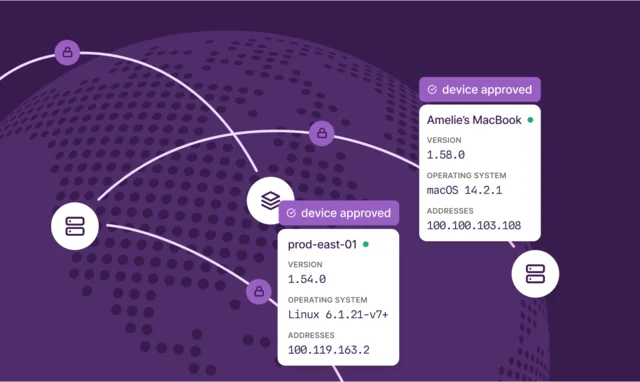
Jobs that vanish when done
Temporary jobs shouldn't leave stale devices in your admin console. Run a node that Tailscale removes when it goes offline.
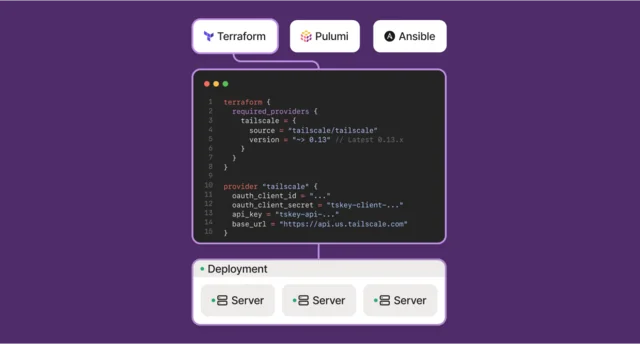
Leave no keys behind
A crashed job can leave keys and devices behind. Keep keys in memory and log out on shutdown so nothing is left.
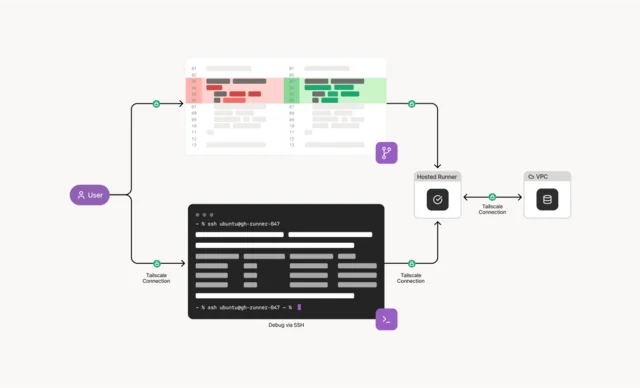
Tailscale in CI/CD
Run the whole game in a throwaway API-only tailnet from a GitHub Actions workflow on Linux and Windows runners.